

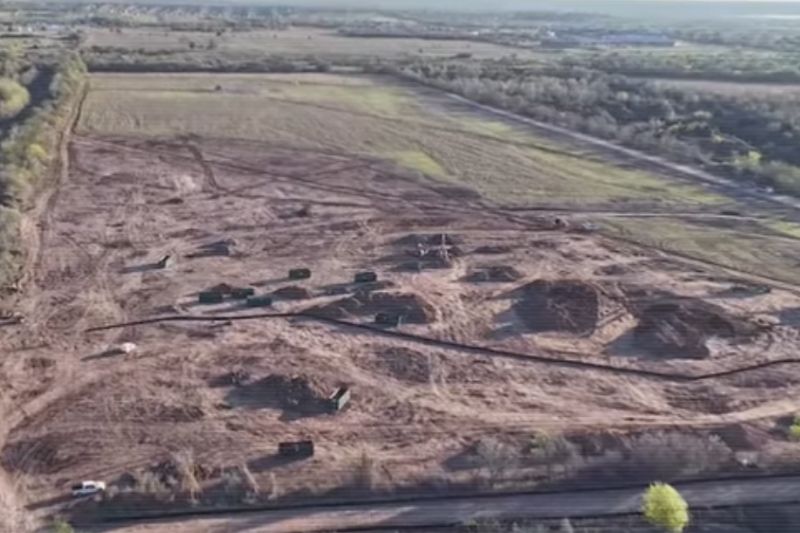
SpaceX has secured a 100% property tax abatement for its planned $55bn Terafab semiconductor facility in Grimes County, Texas, following a 4-1 vote by county commissioners.
The agreement includes a 35-year tax incentive package and reinvestment zone designation intended to support development of the advanced manufacturing campus.
The proposed facility is designed as a vertically integrated semiconductor manufacturing and advanced computing complex, bringing chip fabrication, packaging and related production processes together on a single site.
Initial plans value the project at $55bn, with potential future expansion taking total investment to as much as $119bn.
Located at the former Gibbons Creek power station site, the development is expected to create around 1,800 jobs and strengthen domestic semiconductor manufacturing capacity in the US.
Under the agreement, SpaceX will make alternative payments to the county, including an upfront contribution and annual payments over the life of the deal.
The approval was granted despite significant opposition from local residents, who raised concerns about environmental impacts, water use and the scale of incentives being offered.
However, county officials cited the project's economic benefits and its potential to establish a major new semiconductor manufacturing hub in Texas.
If completed, Terafab would rank among the largest semiconductor fabrication investments announced globally.
The tax incentive approval follows earlier reports that CEO Elon Musk had begun engaging semiconductor equipment suppliers, including Applied Materials, Tokyo Electron and Lam Research, to obtain pricing and delivery schedules for key chip manufacturing, cleaning and testing systems as planning for the facility gathers pace.
Musk announced the start of the project on 14 March, saying the new site would help secure a production of custom AI chips for autonomous driving and other high‑compute applications.


