

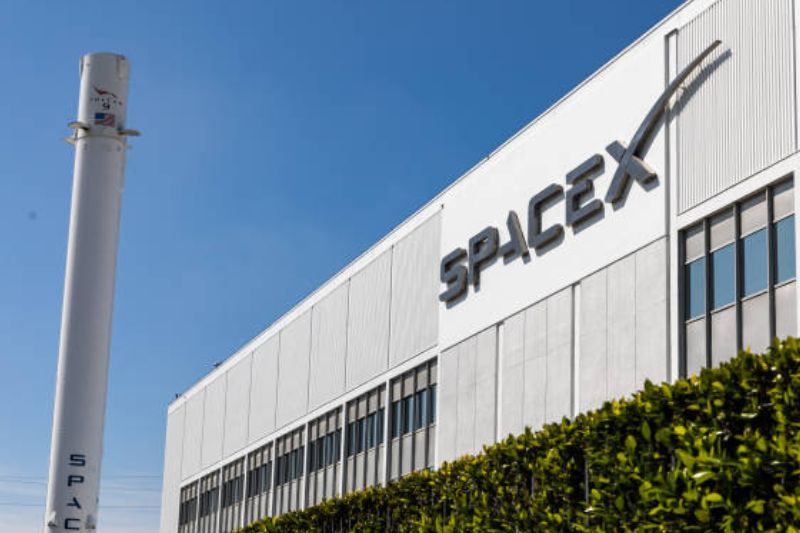
SpaceX has completed the largest stock market debut in history, raising $75bn and achieving a valuation of approximately $1.77 trillion, a move that has intensified attention on the future infrastructure needed to support AI, satellite communications and space-based manufacturing.
The company, founded by Elon Musk, priced its shares at $135 each and sold more than 555 million shares in a public offering that was heavily oversubscribed.
The valuation places SpaceX among the world's most valuable listed companies and is expected to make Musk the first person with a net worth exceeding $1 trillion.
While the IPO marks a major milestone for the aerospace sector, it also draws attention to the company's ambitions beyond launch services and satellite connectivity.
Earlier this year, SpaceX combined its operations with artificial intelligence business xAI, creating a group focused on integrating AI, communications and space infrastructure.
The company has outlined plans for space-based computing platforms designed to overcome some of the power, cooling and land constraints facing terrestrial data centres.
The prospect of orbital AI infrastructure has implications for industries that rely on highly controlled manufacturing environments, including semiconductor production, advanced electronics and aerospace systems.
Cleanroom technologies play a central role in the production of satellites, spacecraft components and semiconductor devices, all of which are expected to see increased demand as investment flows into next-generation space and AI projects.
The IPO also comes as SpaceX advances plans for its proposed $55bn Terafab semiconductor facility in Texas, having recently secured a 35-year tax incentive package for the project.
The project is designed to produce advanced chips and related technologies that could underpin both terrestrial and space-based computing infrastructure.
Analysts say the company's successful public debut could accelerate investment across the wider space economy, including launch services, satellite manufacturing, communications networks and the supporting cleanroom facilities required to build increasingly complex aerospace and electronics systems.


