
An A-Z of biobased circular plastics

Published: 18-Jun-2026

Stefaan Vanhalle from STAXS explains the different types and their characteristics, along with considerations for special packaging requirements in cleanrooms

On 24 April 2024, the EU Parliament adopted new measures to make packaging more sustainable and reduce packaging waste in the EU. The EU Council also needs to formally approve the agreement before it can enter into force. Nevertheless, in an effort to reduce the environmental impact of plastic waste and promote the circular economy, the Dutch government has announced in a National Circular Plastics Standard (currently available in a concept version and open for reactions) that starting in 2027, all plastics produced in the Netherlands must consist of 15% recycled or biobased plastic.

The NCPN concerns plastic polymers that are processed in the Netherlands (by converters or parties that make partial or end products (including packaging) from them). This new Dutch standard aims to reduce the use of fossil resources, minimise waste, and increase the deployment of sustainable materials. 

This article focuses specifically on bioplastics, explaining the different types and their characteristics, along with considerations for special packaging requirements in cleanrooms.

Getting the definitions straight in green plastic

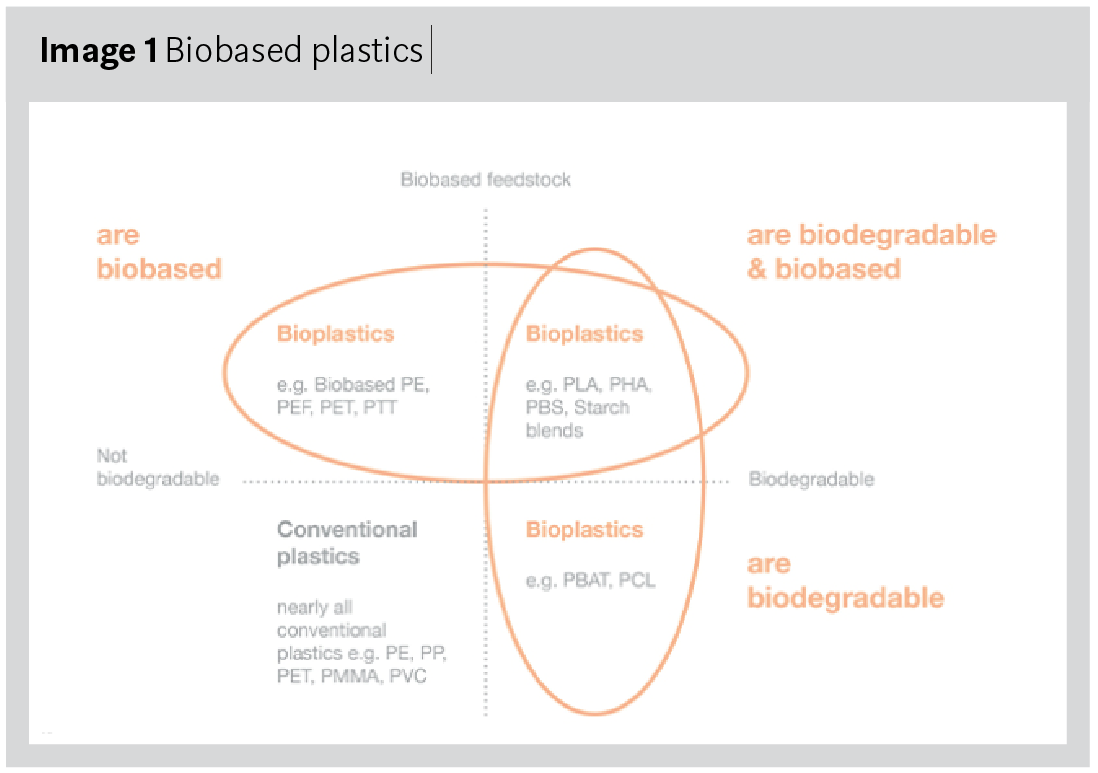
Bioplastics are plastics that are completely or partially made from biological materials OR are biodegradable. Conventional plastics which are biodegradable are thus also called bioplastics, making it very confusing! In 2023, bioplastics accounted for only 1% to 3% of total plastic use, while 97% to 99% of plastics are still fossil-based. The goal is to achieve 100% renewable plastics by 2050. Bioplastics can be divided into three main categories:

Biobased plastics (not to be confused with Bioplastics): The term ‘biobased’ describes what the product is made from. These plastics are made from renewable (meaning they grow back in a short period) biological sources such as plants, sugars, and starch. In short, it includes all materials that come directly from nature. Some are used directly, such as insulation materials in construction. Others are used as raw materials for biobased products, such as PLA, bioplastic, or biobased resin.

The use of biobased plastics would be a significant step forward compared to plastics from non-renewable sources. It reduces the contribution to greenhouse gas (CO2eq) emissions from the combustion of fossil resources, thereby lessening the pressure on the climate. Additionally, biobased materials have the significant advantage of sequestering CO2.

Biodegradable plastics are plastics which can be broken down by microorganisms into water, carbon dioxide (or methane), and biomass under natural conditions. Biodegradable plastics can be biobased or fossil-based. The term ‘biodegradable’ describes the end of the product’s lifecycle: how it is processed afterward. If something is biodegradable, it means that fungi and bacteria can break down the material until nothing remains. However, the rate of degradation varies by material. It can take years for biobased plastic to decompose fully. Waste processing facilities are not always equipped to handle these extended breakdown periods, resulting in biodegradable waste sometimes being incinerated.

Compostable plastics: A subset of biodegradable plastics that break down completely under compostable conditions within a specified time period without leaving harmful residues. Compostable plastics can be biobased or conventional plastics.
An A-Z of biobased circular plastics

Examples of biobased plastics

PLA, or Polylactic Acid, is a biodegradable and bioactive thermoplastic derived from renewable resources such as corn starch, sugarcane, or cassava roots. PLA is typically produced by fermenting sugars derived from renewable plant sources into lactic acid. This lactic acid is then polymerised to form polylactic acid. PLA is recyclable, biodegradable and compostable. It degrades into water and carbon dioxide over time. 

PHA’s (Polyhydroxyalkanoates) are a class of recyclable and biodegradable polymers produced by certain microorganisms as a storage material in response to nutrient limitations. PHAs are synthesised by various bacteria and archaea through fermentation processes, where these microorganisms convert sugars, lipids, or other carbon sources into PHA as an energy reserve.

Polyethylene Furanoate (PEF) is a biobased polymer that is gaining attention as a sustainable alternative to traditional petroleum-based plastics like PET (Polyethylene Terephthalate). PEF is derived from renewable resources, primarily plant-based materials. The key monomers for PEF are furandicarboxylic acid (FDCA) and ethylene glycol. FDCA is produced from fructose, which can be sourced from corn, sugarcane, or other biomass. The polymerisation process involves condensing FDCA with ethylene glycol to form PEF. PEF is less biodegradable as PLA or PHA but is recyclable. However developing an effective recycling infrastructure for PEF is essential to maximise its environmental benefits. Existing recycling systems are primarily designed for PET and other conventional plastics.

Biobased Polypropylene (Bio-PP) is a sustainable alternative to traditional polypropylene, a widely used thermoplastic polymer. Bio-PP is made from renewable biological sources, primarily biomass such as sugarcane, corn, and other agricultural residues. The production involves extracting bioethanol from biomass, which is then converted into biobased propylene through a series of chemical processes. The propylene is polymerised to produce Bio-PP. The process aims to mirror the chemical structure of conventional polypropylene, ensuring comparable properties and performance. Bio-PP is less biodegradable as PLA or PHA but is recyclable in existing recycling systems that are primarily designed for conventional PP.

Biobased Polyethylene (Bio-PE) is a sustainable alternative to conventional polyethylene, produced from renewable resources rather than fossil fuels. Bio-PE is derived from ethanol produced from biomass, such as sugarcane, corn, or other agricultural residues. The ethanol is converted to ethylene through a dehydration process, which is then polymerised to produce polyethylene. The production process for Bio-PE mirrors that of conventional PE, ensuring similar properties and performance. Bio-PE, like conventional PE, is not biodegradable. However, bio-PE can be recycled.

Biobased plastics and end-of-life processing

As previously discussed, not all biobased products are automatically biodegradable. Moreover, biobased plastics are simply too expensive to allow them to degrade after use and it is much more circular to recycle bioplastics just like conventional plastics and give them a second life. The property of being biodegradable should rather be seen that if biodegradable plastic were to unintentionally end up in nature, it can be broken down there.

Biobased plastics can be collected via PMD and could then be recycled. Unfortunately, the amount of biobased plastics in this waste stream is currently to low (less than 1%) to set up a separate waste stream for recycling of these biobased plastics. As a consequence, these plastics are currently not sorted out the PMD waste stream and end up with the residual fraction and are finally incinerated, which is a shame for such expensive products. It’s a bit of a chicken and egg story.
Without a larger share of bioplastics, it will be difficult to set up a profitable recycling process, but on the other hand, the lack of a profitable recycling process holds the further development of bioplastics back.

Biodegradable (bio-) plastics cannot be collected with organic waste (GFT or organic waste) in the Netherlands because the waste processing industry is not yet equipped to handle the long breakdown times of the plastic. Unfortunately, much biodegradable plastic is still incinerated. 

Biobased plastics for cleanroom consumables packaging

Cleanroom consumables like mops, wipes, disposable garments and goggles used or worn by cleanroom operators must also be packed in cleanroom-compatible plastic packaging. The packaging must provide the following:

  • Protection during transportation and storage: The packaging must be suitable for holding the consumable during transportation and storage.
  • Contamination prevention: The packaging safeguards the consumable from contamination and various external factors such as light, heat, and moisture.
  • Information display: The packaging displays essential manufacturing information, including the lot number, manufacturing date, expiry date, as well as chemical protection levels and usage guidelines.

Due to these strict requirements, there is a probability that exceptions might be made for cleanroom consumables packaging regarding the 2027 standard. Ensuring that the packaging meets cleanroom standards while integrating recycled or biobased content presents unique challenges that might necessitate specific allowances to maintain the integrity and safety of sensitive products.

Benefits and challenges of biobased plastics

Benefits:

  • Environmental benefits: Reduction in fossil fuel dependency, decrease in CO2 emissions, and potentially reduced waste problems.
  • Circular economy: Promotion of recycling and reuse of materials.
  • Biological cycle: Ability to integrate biological waste streams into a closed loop.

Challenges:

  • Infrastructure: Adapting existing recycling and waste processing infrastructure to effectively handle bioplastics.
  • Cost: Higher production costs of bioplastics compared to conventional plastics.
  • Consumer awareness: Need to educate consumers on the proper use and disposal of bioplastics.
  • Availability.
  • Special requirements for cleanroom packaging: Balancing the need for contamination-free packaging with the integration of recycled or biobased materials.

Conclusion

Biobased plastics offer significant potential, but it is essential to understand the differences between bioplastics and biobased, biodegradable, and compostable plastics to maximise their benefits.

Effective implementation will depend on improved infrastructure, economic feasibility, and widespread awareness and education. Additionally, special considerations may be necessary for cleanroom consumables packaging to ensure that the high quality standards required for contamination-sensitive products are maintained.


Authored by  STAXS®

Relevant companies

You may also like