


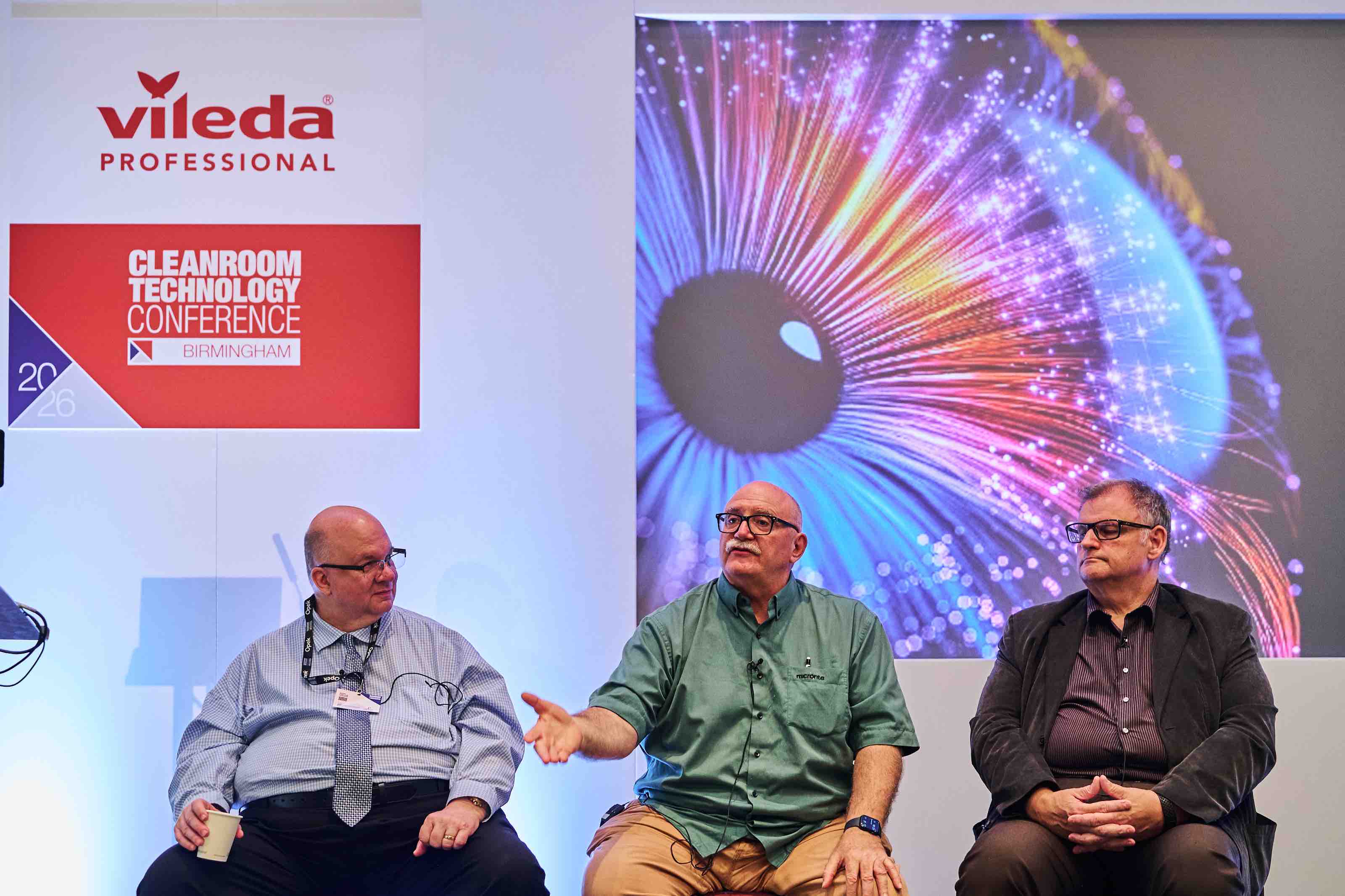
The 2026 Cleanroom Technology Conference gathered delegates from across the contamination control spectrum in Birmingham for a two-day event.
CTC runs to help those involved with the design, build and operation of cleanrooms and controlled environments, as well as those who work within them.
The event, which offers both an exhibition and conference, has a conference agenda that features some of the industry’s best and brightest eager to share their knowledge, such as Morgan Polen from Microrite and Mark Hallworth from Particle Measuring Systems.
These talks have something for everyone, ranging in topic from particle monitoring to regulatory updates, and from PPE to construction approaches.
Day one of CTC
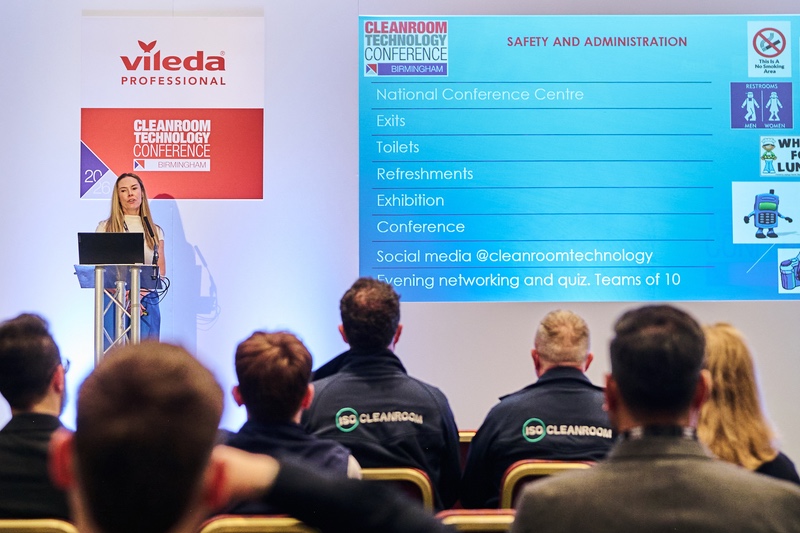
Chairing day one of the talks at the event was Toni Horsfield from ISO Cleanroom, and Steve Ward from Validair chaired day two.
The recurring themes of these talks surrounded compliance, efficiency, risk management and the human factors that influence cleanroom performance. Across the talks, speakers balanced technical expertise with practical examples from real-world facilities, making the event both informative and highly relatable for industry professionals of all levels.
One of the strongest themes throughout the conference was the industry’s push toward greater efficiency and modernisation.
In his presentation on pre-fabricated cleanrooms, Mark Wheeler from Guardtech explained how the pharmaceutical sector is beginning to move away from traditional construction methods in favour of standardised modular approaches that can accelerate project delivery. His observation that “the scale will reflect the complexity of the project” highlighted the importance of tailoring solutions rather than adopting a one-size-fits-all approach.
Similarly, Nicole Gale from Pharmaxo discussed the transition from paper-based environmental monitoring systems to digital platforms, emphasising the operational efficiencies gained through clearer data capture and reduced manual administration.
Regulatory interpretation and practical implementation were also central talking points. Morgan Polen from Microrite delivered an insightful session on misunderstood cleanroom tests, clarifying that the US FDA does not specifically reference recovery or containment testing, while stressing the critical role of airflow visualisation studies.
His comment that smoke studies provide “a visual representation of airflow in a cleanroom” reinforced the importance of understanding how contamination is controlled in practice rather than simply relying on theoretical design. This practical mindset continued in Particle Measuring Systems’ Mark Hallworth’s talk on environmental monitoring risk assessments, where he highlighted the importance of operator interviews and trend analysis when assessing contamination risks.
Several presentations focused on often overlooked human and operational factors within cleanroom environments. Andrea Harman gave one of the day’s most interactive sessions by demonstrating how excessive noise impacts concentration and cognitive performance.
Harman’s live audience exercise effectively illustrated how acoustics can influence both wellbeing and productivity within controlled environments.
Later on, Jim Polarine delivered a memorable and highly engaging presentation filled with real-world cleanroom stories from around the globe. From flooding and mould contamination to poor transfer practices and neglected carts, his examples demonstrated how small procedural failures can undermine even highly controlled facilities. His humour, including the remark that “you don’t want a tropical rainforest or dog in a cleanroom”, kept the audience engaged while reinforcing serious contamination control principles.
Innovation and sustainability also featured prominently. Keith Beattie and Nick Bancroft from EECO2 explored how pharmaceutical cleanroom engineering can evolve to improve energy efficiency without compromising compliance.
Their observation that the industry’s biggest challenge is often decision-making rather than technology itself resonated strongly with wider conversations around stakeholder engagement and change management.
One of the most practical demonstrations of day one came from Angela Holland and Tasmin Crompton, who conducted a live particle testing exercise to demonstrate how cleanroom consumables can be properly assessed under EN ISO 14644-18. Their session highlighted how important it is to apply testing standards correctly to avoid misleading data and inaccurate conclusions.
The closing panel discussion effectively tied together many of the day’s themes, particularly around data interpretation, future technologies and the importance of understanding real operational behaviour inside facilities. Discussions around rapid microbiological methods, robotics, calibration improvements and particle monitoring reflected an industry that is increasingly embracing innovation while still grappling with longstanding operational challenges.
Day two at CTC
The second day of the event expanded on many of the themes introduced on day one, particularly around sustainability, contamination control, operator behaviour and the future of cleanroom practices.
While the first day focused heavily on compliance, monitoring and operational challenges, day two placed greater emphasis on ESG pressures and human performance.
Gonzague Vallière delivered a thought-provoking presentation questioning whether glove selection could undermine wider ESG efforts. Using lifecycle assessment data, he explained that the raw materials used in disposable gloves account for the vast majority of environmental impact, while transport and disposal contribute comparatively little.
Vallière said that “most managers, when asked about their glove sustainability, they talk about end of life, but this is a relatively small proportion of the image” challenged many common assumptions around sustainability strategies in the cleanroom sector. The talk also sparked discussion around greenwashing and how companies communicate environmental credentials, with a strong push toward synthetic materials over latex alternatives.
Further to the PPE discussion, Hanna De Neve then highlighted the lack of clear guidance surrounding endotoxin levels on sterile PPE gloves, underlining how critical gloves are because they “touch everything in a process.” The session reinforced how even well-established contamination control measures still contain regulatory grey areas that the industry continues to navigate.
Human behaviour and operator performance were recurring themes across both days. David Wright from Particles Plus delivered an influential talk exploring how people are managed in cleanrooms. He looked at how operations behave inside cleanrooms and why shortcuts continue to occur despite extensive training.
Wright talked about a great exercise in cleanroom training, using UV liquid demonstrations to visually show contamination transfer during the greeting portion of user training. During his Q&A session, a delegate asked about how to deliver any necessary feedback to the operators, to which Wright had some great advice.
The impact of cleanroom environments on workers themselves was another important topic. Bart Onderbeke discussed garment qualification and the physiological strain operators face in high humidity and elevated CO2 environments. His observation that mistakes can increase dramatically by “700%” when the conditions in garments are above 80% humidity highlighted the direct relationship between environmental conditions and human performance. A live comparison of two gowning systems using temperature, humidity and CO2 sensors gave attendees a visual demonstration of how garment design affects operator comfort and potentially compliance outcomes.
The afternoon sessions shifted toward broader contamination control strategy and facility design. Lene Blicher Oleson explored how companies can develop contamination control strategies in line with EU GMP Annex 1, while Aqeel Ahmed examined integrated containment approaches for cytotoxic facilities, demonstrating how containment extends beyond the cleanroom itself and requires a more holistic operational strategy.
It is clear to see from both the talks and delegate discussion that the industry is increasingly focused on balancing compliance with efficiency, sustainability and operational practicality. There was also a noticeable shift toward digitalisation and automation, alongside growing interest in rapid microbiological methods (RMM) and smarter environmental monitoring systems.
Engagement from the conference and beyond has been fantastic.
Online engagement saw a LinkedIn video post from the conference floor with Morgan Polen. Commenting on this post, James Craft, who is Operations & Industry Engagement at Farrell Partnership, said that “understanding how all of these systems and operational processes work together from the start is where experience really matters.”
From the conference floor, Andrea Harman also noted that many delegates visited the Ecophon stand to discuss their own workplace experiences, showing how strongly the topic connected with attendees.
Overall, the Cleanroom Technology Conference successfully combined technical expertise with practical insight and engaging discussion. From contamination control and environmental monitoring to sustainability, human behaviour and future technologies, the event showcased an industry that is evolving rapidly while still confronting many familiar operational challenges.
Beyond the talks
So far, the delegates are showing great enthusiasm for the agenda, with packed rooms, reflecting the standard of the speakers, but there is a whole exhibition beyond this.
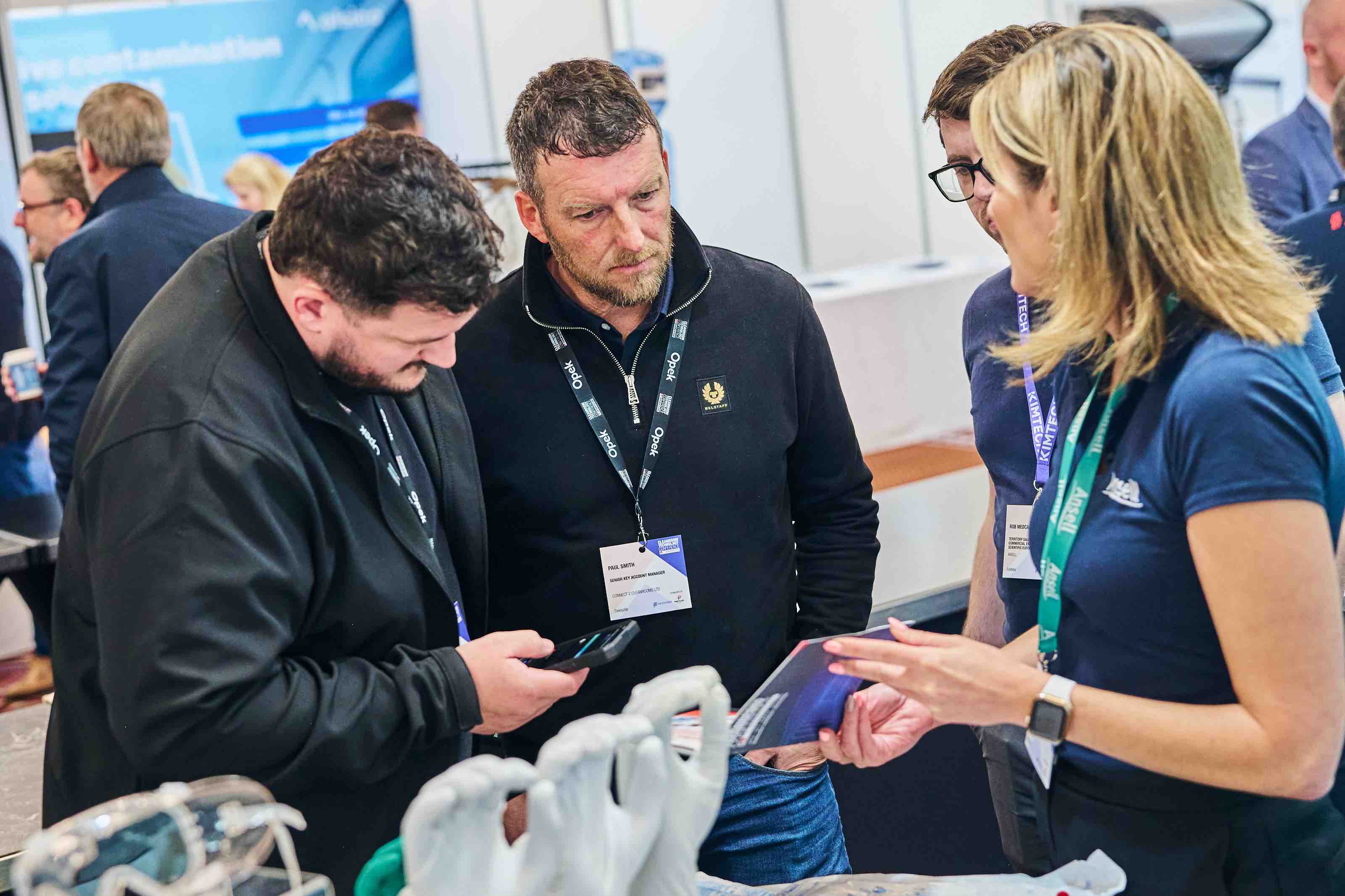
Here, business conversations were flowing with exhibitors speaking to delegates over the many tea and lunch breaks.
Delegates have been heard speaking to delegates about their specific problems, and they have been workshopping potential solutions. Many have even been seen calling up colleagues in various clean environments to talk through their takeaways.
The first evening, delegates were also treated to a free networking event with the “Cleanroom Quiz”, now in its third year. The popular event will be sponsored by Ansell and features some cleanroom-focused questions, as well as more general knowledge.
In some small sad news, for those who have attended CTC for many years, the local peacock that resided in the lands around the National Conference Centre (NCC) in Birmingham, has reportedly passed away after a run-in with foxes. But despite this, the NCC still provided a great launching pad for the cleanroom and contamination control sector’s annual gathering, with lots of areas for delegates to have meetings and discussions throughout the days.
Cleanroom Technology Conference will be back in 2027!


